Buying a Second Home in La Fortuna: What International Buyers Should Consider
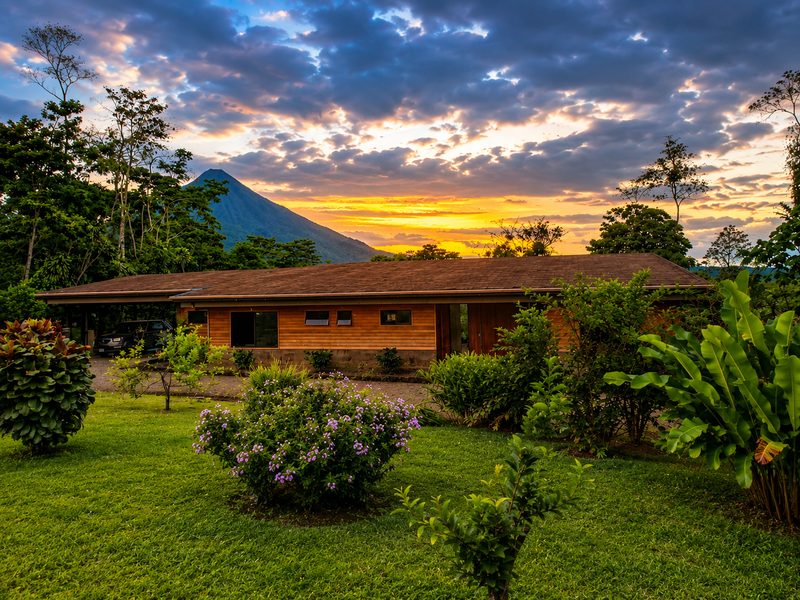
La Fortuna has quietly become one of Costa Rica's most compelling second-home markets for international buyers. While beach towns command premium prices and dense crowds, this inland region offers volcano views, year-round rental demand, and properties that still provide space and privacy at accessible price points.
If you're considering a second home here, whether for personal use, rental income or a future retirement base, the process is straightforward but demands attention to detail. Costa Rica welcomes foreign ownership, yet the legal framework, financing realities and ongoing costs differ sharply from North American or European norms.
This guide walks through the practical considerations that matter most, from understanding ownership structures and residency pathways to calculating true acquisition costs and evaluating rental potential.

Why International Buyers Choose La Fortuna for a Second Home
La Fortuna sits in Costa Rica's Northern Lowlands, anchored by Arenal Volcano and a well-developed tourism infrastructure. The appeal is multifaceted.
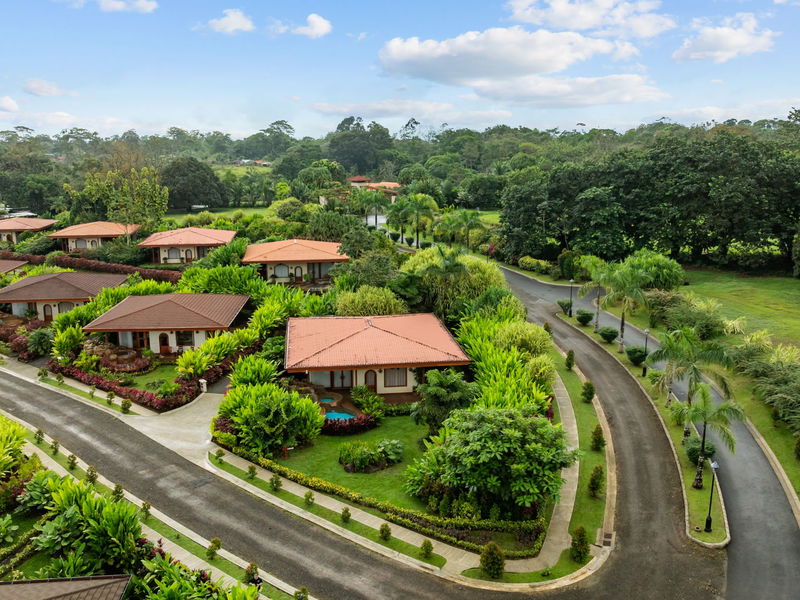
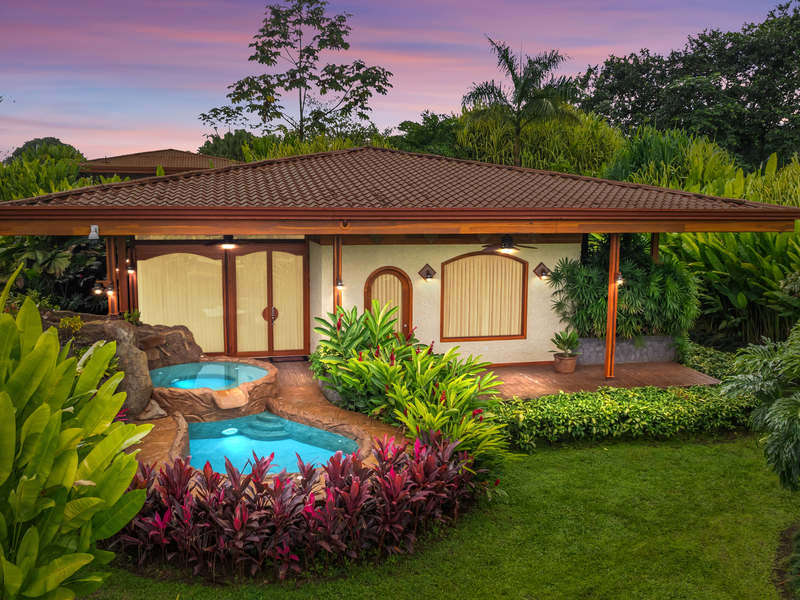
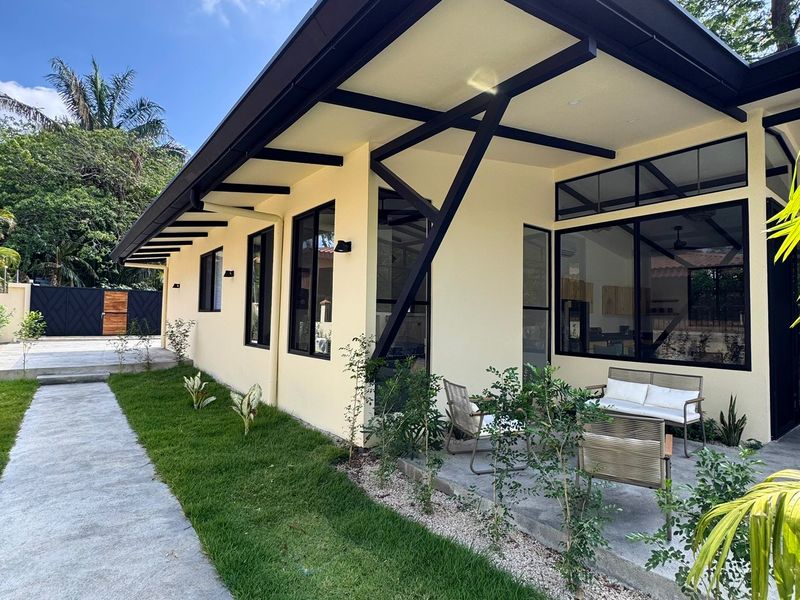
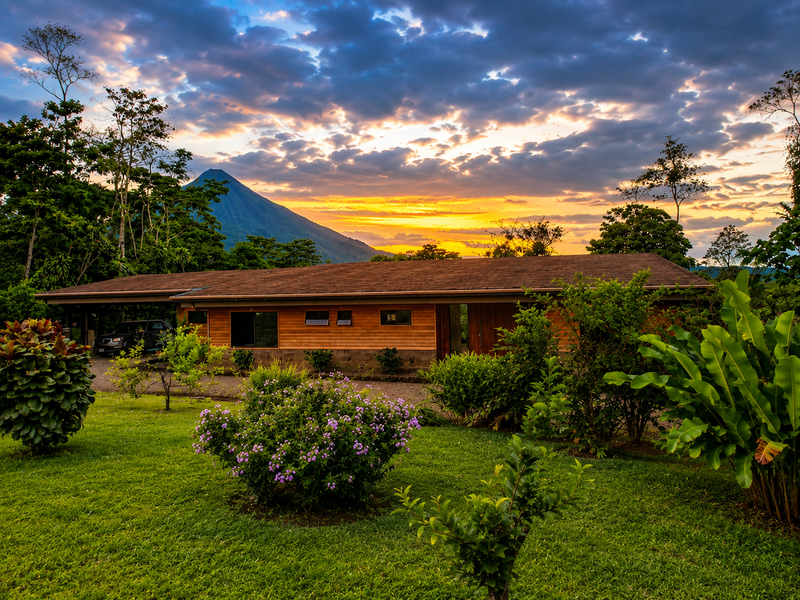
Properties here range from affordable land for sale in La Fortuna to homes for sale in La Fortuna, including luxury homes and gated-community villas. , many with unobstructed volcano or rainforest views. The market remains less crowded than coastal zones, offering better value per square metre and larger lot sizes.
Tourism is consistent and diversified. Adventure travellers, wellness seekers and nature-focused visitors keep hotels, rental homes and tour operators busy throughout the year. That creates rental income potential for owners who choose to monetise their property when not in personal use.
The region also benefits from solid infrastructure. La Fortuna town has supermarkets, private healthcare clinics, banks and reliable high-speed internet. The drive to San José's international airport takes around three hours, and the internal road network continues to improve.
For buyers seeking a foothold in Costa Rica without the coastal price premium, La Fortuna delivers a compelling combination of lifestyle, accessibility and investment fundamentals.
La Fortuna vs. Coastal Markets: A Value Comparison
Understanding how La Fortuna stacks up against Costa Rica's better-known beach markets helps clarify the value proposition.
| Metric | La Fortuna | Tamarindo (Guanacaste) | Manuel Antonio (Central Pacific) |
| Median Lot Price | $85,000–$120,000 | $150,000–$250,000 | $180,000–$300,000 |
| Annual Property Tax Rate | 0.25% of registered value | 0.25% of registered value | 0.25% of registered value |
| Peak Tourist Season Length | Year-round (8–10 months strong) | 5–6 months (Dec–Apr) | 6–7 months (Dec–May) |
| Distance to SJO Airport | ~140 km (3 hours) | ~250 km (4.5–5 hours) | ~170 km (3.5 hours) |
The table illustrates why La Fortuna increasingly attracts buyers who want rental income without sacrificing accessibility or paying coastal premiums. Year-round tourism activity supports more consistent occupancy than seasonally concentrated beach towns.
Understanding Costa Rica's Property Ownership Laws for Foreigners
Costa Rica's constitution grants foreigners the same property rights as nationals. You can own land, homes and commercial property in your own name, with full title and no requirement for a local partner or nominee structure.
The key distinction involves location. Properties within 200 metres of the high-tide line fall under the Maritime Zone, where outright foreign ownership is restricted. La Fortuna lies inland, so this limitation does not apply. Buyers here acquire a fee-simple title, registered in the National Registry.
Two common ownership structures are used. Individual ownership in your personal name is straightforward and works well for a single second home. Many buyers also establish a Costa Rican corporation (sociedad anónima) to hold titles. This approach can simplify estate planning, enable multiple investors to share ownership, and streamline future sales, as transferring shares is often faster than re-registering individual titles.
Whichever route you choose, the title must be verified through a registered attorney and recorded in the Public Registry. Do not rely on informal agreements or unregistered deeds. Working with a Colegio de Abogados-registered attorney ensures your legal counsel meets the professional standards required to practise in Costa Rica. Title insurance providers such as Stewart Title Costa Rica and First American Title also operate in the market, offering additional protection against title defects that due diligence may miss.
Residency Options and Their Impact on Your Purchase
You do not need residency to buy property in Costa Rica. Tourists can complete a purchase on a standard 90-day visa waiver.
However, residency can offer advantages if you plan to spend significant time in the country or want to establish a more permanent base. The most common pathways for second-home buyers are outlined below.
Costa Rica Residency Pathways for Property Buyers
| Residency Category | Financial Requirement | Notes |
| Pensionado | $1,000/month guaranteed pension or Social Security income | Must demonstrate stable, lifetime income stream |
| Rentista | $2,500/month guaranteed income for 2 years, or $60,000 deposited in Costa Rican bank | Income must be from a stable, verifiable source (annuity, trust, etc.) |
| Inversionista | $200,000 investment in Costa Rican property, business or securities | Property investment must be registered and appraised at or above threshold |
Residency also opens the door to CAJA, the national healthcare system, and can simplify banking, vehicle registration and utility contracts. It does not, however, change your property tax obligations or grant exemptions on transaction costs.
If your plan involves short visits or seasonal use, residency may not be necessary. Many international owners maintain their property through a local attorney and property manager while visiting on tourist status. If residency aligns with your long-term goals, the inversionista route lets a La Fortuna second-home purchase satisfy the requirement, provided the registered value meets or exceeds $200,000.
The True Cost of Buying: Taxes, Fees and Closing Expenses
Acquisition costs in Costa Rica are higher than many buyers expect, and budgeting accurately is essential.
Transfer tax is 1.5% of the registered value or sale price, whichever is higher. Notary and attorney fees typically add another 1% to 1.25%. Title insurance, while optional, is increasingly common and costs around 1%. Stamp duties, registry fees and document preparation add smaller amounts.
In total, closing costs generally run between 3.5% and 5% of the purchase price. Understanding how these percentages translate into actual expenditure helps avoid surprises at closing.
Total Acquisition Cost on a $350,000 Home (Worked Example)
| Cost Item | Rate / Amount | Total (USD) |
| Transfer Tax | 1.5% of $350,000 | $5,250 |
| Notary & Attorney Fees | 1.25% of $350,000 | $4,375 |
| Title Insurance | ~1% of $350,000 | $3,500 |
| Stamp Duty & Registry Fees | Fixed/minor | $700 |
| Total Closing Costs | $13,825 |
This example assumes a clean title, no outstanding liens and a straightforward transaction. Complex deals involving corporations, multiple parcels or unresolved boundary issues can push legal fees higher.
Beware of undervalued sale prices recorded to reduce transfer tax. This tactic exposes you to capital gains liability calculated on the difference between registered and actual sale price when you eventually sell, and it complicates insurance claims and financing.
Always use a registered attorney to conduct due diligence, verify title, check for liens or encumbrances, confirm zoning and permitted use, and ensure water, utility and access rights are documented.
Financing a Second Home in La Fortuna as a Foreign Buyer
Mortgages for foreign buyers in Costa Rica are rare and expensive. Local banks rarely lend to non-residents, and when they do, interest rates can exceed 8% to 10% with loan-to-value ratios capped at 50% to 60%.
Most international buyers finance their purchase through home equity, savings or mortgages secured against property in their home country. Some sellers offer owner financing, particularly on land or development properties, though terms vary widely and should be reviewed carefully by legal counsel.
If cash purchase is not feasible, explore financing options in your home country before committing to a La Fortuna property. Bringing funds into Costa Rica is straightforward, but large transfers should be documented to satisfy anti-money-laundering regulations and to establish a clean paper trail for future sales.

Choosing the Right Location Within the La Fortuna Region
La Fortuna is not a single town but a region encompassing several distinct areas, each with its own character and market dynamics.
La Fortuna town itself offers proximity to shops, restaurants and services, plus easy access to tourism amenities. Properties here tend to be smaller lots with good rental potential due to central location.
El Castillo, perched on the southern slopes of Arenal, provides elevated views and a quieter, more secluded atmosphere. The area attracts buyers seeking privacy and natural surroundings.
Lake Arenal communities, including Nuevo Arenal, Tronadora and Tilaran, offer waterfront and hillside properties with expansive vistas. These areas appeal to retirees and lifestyle buyers prioritising tranquillity over tourism energy.
Each zone has different infrastructure quality, internet reliability, access road conditions and proximity to healthcare. Visit multiple areas, test drive access routes in the rainy season, and speak to existing foreign residents before committing.
Rental Income Potential and Property Management Considerations
La Fortuna's tourism economy creates genuine rental income opportunities, but returns depend heavily on property type, location and management quality.
Well-located homes with volcano views, private pools and modern amenities can achieve high nightly rates, particularly during North American and European winter months. However, competition is increasing, and platforms like Airbnb and Vrbo have brought more inventory to market.
Professional property management is essential if you live abroad. A good manager handles guest communication, check-ins, cleaning, maintenance and compliance with local tourism regulations. Fees typically range from 15% to 25% of gross rental income, with higher percentages for full-service packages that include marketing, linen supply and concierge services.
Factor in furnishing costs, routine maintenance, insurance, utilities and platform commissions when projecting net returns. A realistic first-year occupancy target for a new listing is 40% to 60%, climbing as you build reviews and repeat guests.
Hidden Costs and Ongoing Expenses Buyers Often Overlook
Beyond acquisition and the obvious running costs, several expenses catch international buyers off guard. Planning for these from the outset prevents budget strain and ensures smoother ownership.
Hidden Costs Checklist
- HOA Fees in Gated Communities: Monthly or quarterly fees range from $50 to $300 depending on amenities (security, roads, common areas). Confirm fee structure and any planned special assessments before purchase.
- Septic and Well Maintenance: Properties outside municipal service areas rely on private septic systems and wells. Budget $200 to $500 annually for inspections, pump-outs and water quality testing.
- Marchamo (Annual Vehicle Tax): If you purchase a vehicle in Costa Rica, Marchamo combines road tax, basic liability insurance and technical inspection. Costs vary by vehicle value but typically run $300 to $800 per year.
- CAJA Contributions if Obtaining Residency: Residents enrolled in the national healthcare system pay monthly contributions based on income or a minimum fixed amount. At the time of writing, the minimum is around $70 to $100 per month for pensionado or rentista residents.
- Property Management Fees: As noted, 15% to 25% of gross rental income. On a property generating $30,000 annually, that's $4,500 to $7,500 in management costs.
- Utilities and Insurance: Electricity, water and internet run $100 to $250 per month for a typical home. Comprehensive property insurance costs 0.3% to 0.6% of insured value annually.
Accounting for these items upfront gives a clearer picture of true cost of ownership and helps avoid the common mistake of budgeting only for mortgage or purchase price.
Navigating the Legal Process: Steps and Timeline
A typical property purchase in La Fortuna follows a structured sequence, usually completed within 30 to 60 days if title is clear and financing is arranged.
First, you submit a written offer through your attorney. Once the seller accepts, both parties sign a purchase-sale agreement (contrato de compraventa) that specifies price, deposit, closing date and contingencies.
Your attorney conducts due diligence, reviewing the registered title, verifying no liens, encumbrances or legal disputes exist, confirming zoning and permitted use, and checking water, utility and access rights are properly documented. This stage typically takes one to three weeks.You transfer funds to an escrow account or attorney trust account. The final closing is executed before a notary public, who prepares the transfer deed (escritura), collects transfer tax and fees, and submits the deed to the National Registry for recording. Registration can take several weeks, but once complete, you hold full legal title.
At every step, rely on your attorney to ensure compliance with Costa Rican law, flag any red flags and protect your interests. Cutting corners on legal counsel to save a few hundred dollars is a false economy.
Why This Market Suits UK and European Buyers
For UK and European buyers, La Fortuna offers practical advantages beyond the obvious appeal of climate and scenery.
The time difference with London is manageable, just six or seven hours depending on daylight saving, making remote property management, video calls with attorneys and coordination with local teams easier than destinations in Asia or Oceania.
Costa Rica's stable democracy, lack of standing army and long-established expat community reduce political and security concerns. The country consistently ranks at the top of Central American stability and quality-of-life indices.
Direct flights from London to San José operate year-round, though most require one connection via the US or Europe. The trade-off in travel time is offset by lower property costs, higher rental yields and a more relaxed regulatory environment than many Caribbean alternatives.
If you're exploring options for buying property in Costa Rica, La Fortuna deserves serious consideration. The market balances accessibility, value and income potential in a way few other regions can match. Our team works with international buyers to identify opportunities, coordinate legal and due diligence, and connect you with trusted local professionals who understand the unique needs of foreign investors.
Frequently Asked Questions
Can I get a mortgage as a foreigner in Costa Rica?
Mortgages for non-resident foreign buyers are difficult to obtain from Costa Rican banks. Interest rates typically exceed 8% to 10%, and loan-to-value ratios are capped at 50% to 60%. Most international buyers finance purchases through home equity or mortgages in their home country, or pay cash. Some sellers offer owner financing on land and development properties, though terms should be reviewed by legal counsel.
What is annual property tax in La Fortuna?
Annual property tax in Costa Rica, including La Fortuna, is 0.25% of the registered property value. This applies uniformly across the country. For example, a home with a registered value of $300,000 incurs $750 per year in property tax. The tax is calculated on the value recorded in the National Registry, not necessarily the purchase price.
Do I need a lawyer to buy property in Costa Rica?
Yes. While not legally mandatory, hiring a Colegio de Abogados-registered attorney is essential for conducting due diligence, verifying title, checking for liens, confirming zoning and permitted use, and ensuring water, utility and access rights are documented. Attorney fees typically run 1% to 1.25% of the purchase price, and the cost is minor compared to the risks of proceeding without qualified legal counsel.
Can I rent my second home on Airbnb in La Fortuna?
Yes, short-term rentals on platforms like Airbnb and Vrbo are common in La Fortuna. However, you must comply with local tourism regulations, which may include registering with the Costa Rican Tourism Board (ICT) and meeting safety and operational standards. Professional property management is strongly recommended if you live abroad, as managers handle guest communication, cleaning, maintenance and regulatory compliance. Management fees typically range from 15% to 25% of gross rental income.
How long does a property purchase take in La Fortuna?
A typical purchase takes 30 to 60 days from accepted offer to closing, provided the title is clear and financing is arranged. The timeline includes due diligence (one to three weeks), escrow and fund transfer, notary closing and submission to the National Registry. Registry recording can take several additional weeks, but legal title transfers at closing. Complex transactions involving corporate ownership, multiple parcels or title defects can extend the timeline.