Buying Property in El Castillo: What International Buyers Should Know
Buying Property in El Castillo: A Guide for US and Canadian Buyers
You have found an El Castillo property with the lake and Arenal Volcano views you wanted, but then the questions start. Is the land fully titled? Can you get reliable water and internet? How difficult is access during the rainy season? What happens if the survey does not match the property boundaries? And who actually checks these things when you are buying from the US or Canada?
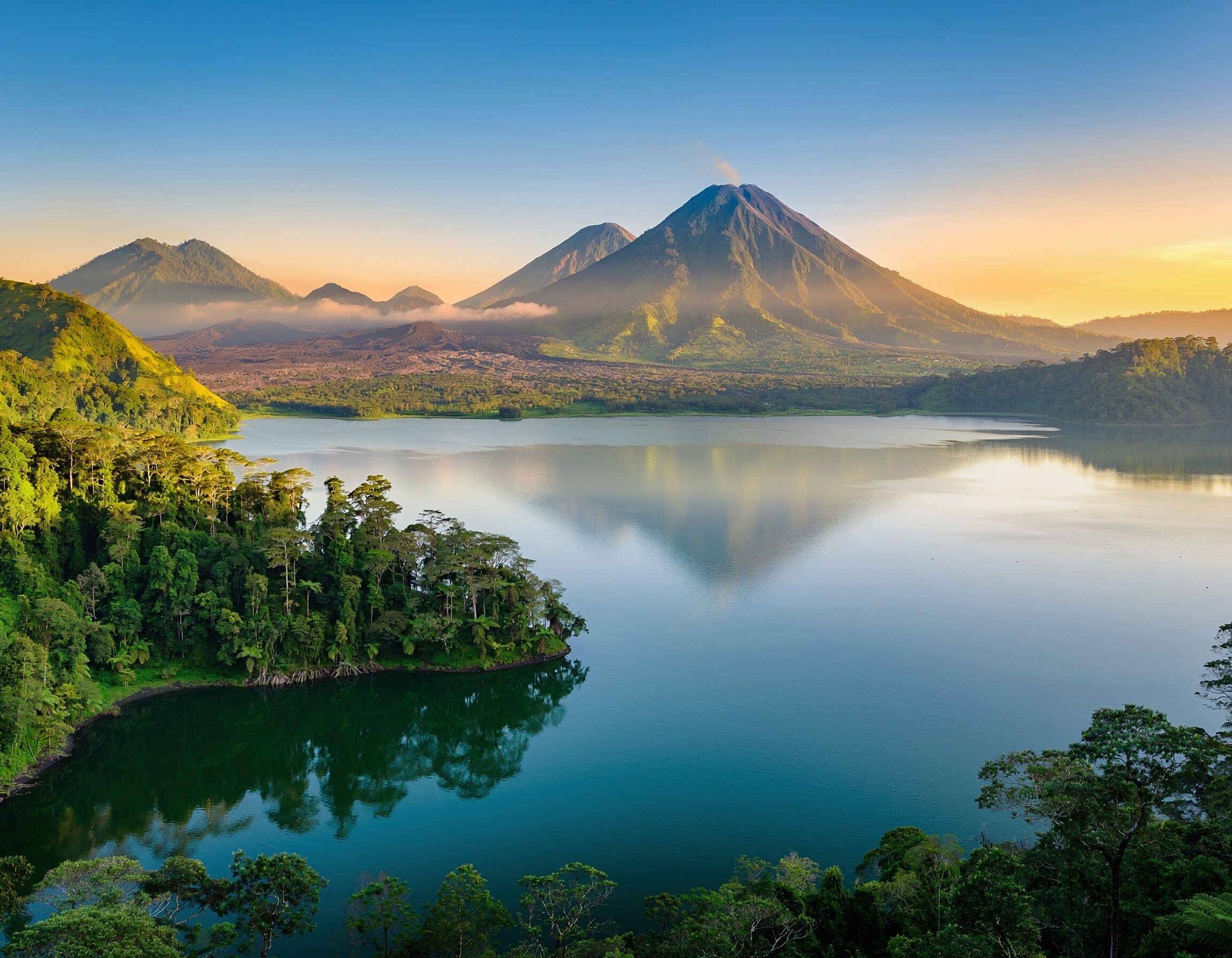
Those questions matter more in El Castillo than they do when buying a conventional home in a developed suburb. Arenal Advantage's own area information describes El Castillo as a small, quiet community approximately 16 kilometres from La Fortuna, with a winding and narrow road, forested surroundings and a strong connection to the volcano and lake landscape. :contentReference[oaicite:5]{index=5}
For US and Canadian buyers looking for a retirement property, second home, nature based investment or larger parcel outside the busier tourist areas, that combination can be compelling. It also means you need to evaluate the property itself, not simply the photographs.
This guide focuses on the questions that matter when assessing an El Castillo property from overseas, including ownership, access, infrastructure, due diligence, costs and how to approach the local market.
Explore the El Castillo area with Arenal Advantage to understand the location before you start comparing individual properties.
Why US and Canadian Buyers Consider El Castillo
El Castillo appeals to buyers who want more privacy and connection with nature than they are likely to find in central La Fortuna. Arenal Advantage describes the community as forested, unhurried and relatively removed from the main tourist activity, with views of Arenal Volcano and access to wildlife and nature experiences. :contentReference[oaicite:6]{index=6}
That makes the area particularly relevant to a certain type of North American buyer. If your priority is a walkable urban lifestyle, El Castillo may feel too remote. If you are looking for a larger property where the landscape is part of the purchase, the calculation is different.
For a retiree, the appeal may be a private home surrounded by greenery. For a second home owner, it may be the ability to spend several months a year away from a colder North American climate. For an investor, a property with distinctive lake, forest or volcano characteristics may offer a different proposition from a standard holiday rental closer to town.
The important distinction is that buyers are not simply purchasing a house. They are purchasing a particular combination of land, views, access, infrastructure and privacy.
Considering El Castillo from overseas?
Start with the current location and property options rather than relying on generic Costa Rica property guides.
What El Castillo Is Actually Like
The live El Castillo area page on Arenal Advantage's website describes the community as sitting below Arenal Volcano and approximately 16 kilometres from La Fortuna. It also highlights the area's forest setting, wildlife and dramatic volcano views. :contentReference[oaicite:7]{index=7}
That location is important when evaluating a property. Two homes can both be described as being in El Castillo while offering very different experiences depending on road access, elevation, proximity to services, views and the condition of the surrounding infrastructure.
The access road is one example. Arenal Advantage specifically notes that the road into El Castillo is winding and narrow. :contentReference[oaicite:8]{index=8} A buyer should therefore evaluate the actual route to the property rather than assuming that a stated distance from La Fortuna tells the whole story.
For North American buyers who are accustomed to suburban roads and highly predictable infrastructure, this difference can be significant.

Property Types Worth Considering
El Castillo can suit several different purchasing strategies. The right option depends on whether your priority is living, rental income, land ownership or future development.
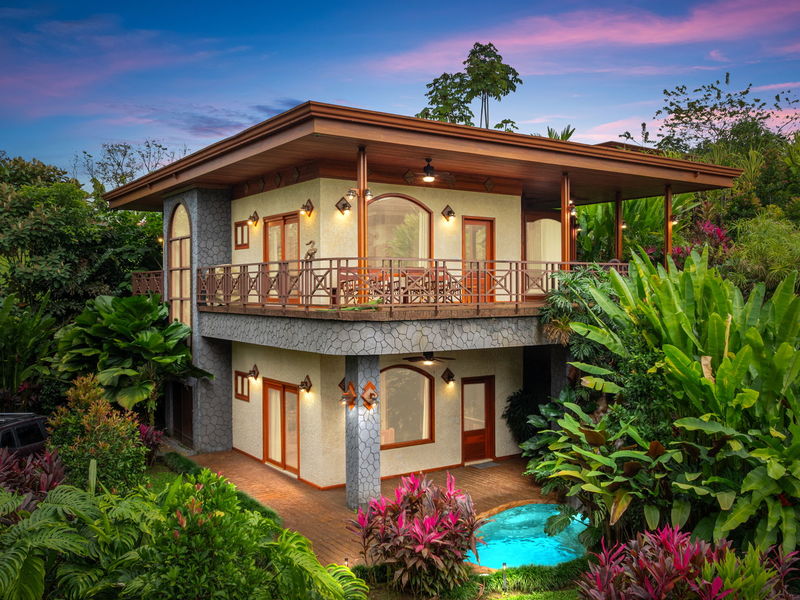
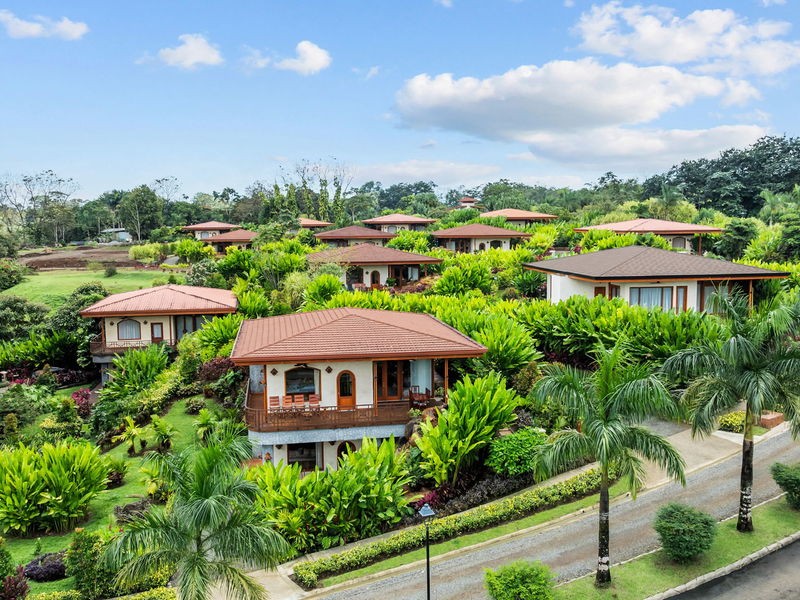
- Private homes: Suitable for buyers who want a permanent residence or second home surrounded by nature.
- Larger land parcels: Potentially attractive for buyers planning a custom home, conservation project or nature focused property.
- Eco tourism properties: Relevant to buyers looking for an income producing operation connected to the area's natural setting.
- Lake and volcano view properties: Particularly attractive for lifestyle buyers who consider the landscape a major part of the property's value.
Arenal Advantage's broader property search currently allows buyers to search its Costa Rica inventory by location, property type, price, land area and other characteristics. :contentReference[oaicite:9]{index=9}
Search current properties for sale and ask the Arenal Advantage team to narrow the results specifically to El Castillo.
Do Not Judge an El Castillo Property by the View Alone
A spectacular view can be one of the strongest reasons to buy in El Castillo. It can also distract buyers from practical issues that matter after closing.
Before making an offer, evaluate the property as an asset rather than simply as a photograph.
- How easy is the property to reach in wet weather?
- Is the access legally documented?
- Where does the registered property boundary actually sit?
- What water source serves the property?
- Is electricity already connected?
- What internet options are available at the exact address?
- Are there environmental or development restrictions?
- How far is the property from the services you expect to use regularly?
This is especially important for buyers who will remain in the US or Canada for part of the year. A property that is straightforward to maintain when you live nearby can become much more complicated when you are managing it remotely.
How Foreign Ownership Works in Costa Rica
Foreign buyers can own titled Costa Rican property. The key issue is not whether you are Canadian or American. The key issue is whether the specific property you are buying has clean title and whether the intended use is legally and practically viable.
El Castillo is inland rather than on Costa Rica's ocean coastline. That distinction matters because the Maritime Zone rules that affect coastal property do not apply in the same way to an inland property around Lake Arenal.
Ownership can be structured in different ways, including personal ownership or ownership through a Costa Rican corporation. The appropriate structure depends on your estate planning, tax position, financing arrangements and intended use.
Do not choose a corporate structure simply because another buyer used one. Your Costa Rican attorney should advise you based on your circumstances.
For a broader explanation of the purchasing process, see Arenal Advantage's Costa Rica property buying guide.
Due Diligence Matters More on Rural Land
This is where El Castillo differs most from a conventional urban property purchase.
A larger rural parcel can involve topography, vegetation, water sources, private access roads, easements and boundaries that are not obvious from the listing photographs.
Title and registered ownership
Your attorney should review the property's registered title through the Costa Rican National Registry and identify mortgages, liens, easements or other encumbrances before you commit to the purchase.
Survey and boundaries
The registered survey, or plano catastrado, should be compared with what you are actually being shown on the ground. This is particularly important where the property contains substantial acreage or difficult terrain.
Legal access
Do not assume that because you can physically drive to a property you have permanent legal access to it. Your attorney should confirm the legal basis for access and identify any recorded easements.
Water
Ask exactly where the property's water comes from and what documentation supports that supply. A private well, community water system and natural spring involve different considerations.
Development potential
If your intention is to build additional accommodation, a guest house or a tourism operation, investigate the applicable planning and environmental requirements before assuming the land can be developed as planned.
Planning to buy land rather than an existing home?
Ask Arenal Advantage to identify current El Castillo opportunities and explain the practical differences between individual parcels before arranging viewings.
Infrastructure: Check the Exact Property
Infrastructure should be assessed at property level rather than assumed from the location name.
Electricity
Ask whether electricity is already connected to the property and, if not, what work would be required to bring service to the site.
Water
Confirm the source, reliability and legal documentation for water before proceeding. For a remote property, water availability can have a much greater impact on usability than the headline purchase price.
Internet
Internet availability should also be checked at the exact property rather than assumed from general coverage information. This is particularly important for US and Canadian buyers who plan to work remotely or manage an investment property online.
Road access
Arenal Advantage's own El Castillo guide describes the road into the community as winding and narrow. :contentReference[oaicite:10]{index=10} That means buyers should inspect the final approach to the property, not just the main route from La Fortuna.
If you intend to live in El Castillo throughout the year, visit the property more than once and assess the journey in different weather conditions where possible.
What Does an El Castillo Property Cost?
There is no single El Castillo price point. Land size, views, existing buildings, access, infrastructure and development potential can create substantial differences between properties.
A current property surfaced through the wider Coldwell Banker Costa Rica system provides one useful example of the type of opportunity buyers may encounter. The listing is described as a 12.7 acre El Castillo property with volcano and lake views and an asking price of $1.5 million. The listing identifies Phyllis Adee of Coldwell Banker Arenal Advantage among the agents. :contentReference[oaicite:11]{index=11}
That example should not be treated as an average El Castillo price. It demonstrates why acreage and views alone are not enough to establish value. A buyer needs to compare the property's improvements, access, infrastructure, permitted use and income or lifestyle potential against other available opportunities.
Check the current Arenal Advantage inventory before relying on older price ranges published elsewhere online.
Buying From the US or Canada: Plan for Remote Ownership
Many buyers will not live in El Castillo full time. That changes the practical questions you should ask before buying.
- Who will inspect the property while you are away?
- Who will coordinate maintenance?
- Who will respond if there is a water or electrical problem?
- How will you receive bills and official correspondence?
- Who will manage the property if you intend to rent it?
- What happens if a storm damages the access road or property?
These are not reasons to avoid El Castillo. They are reasons to build local support into your ownership plan from the beginning.
Financing and Purchase Costs
North American buyers should establish their financing strategy before making an offer. Some buyers purchase with cash, while others use funds from their home country, including savings or equity from an existing property.
The cost calculation should extend beyond the advertised price. Your acquisition budget may need to account for legal work, notarial costs, transfer taxes, registration, surveys, inspections, corporate costs if applicable and any immediate infrastructure work.
The exact costs depend on the transaction, so treat online percentage estimates as planning figures rather than a substitute for a transaction specific quotation from your legal and professional advisers.
A Better Way to Evaluate an El Castillo Property
For a US or Canadian buyer, the strongest purchase decision is rarely the property with the most impressive photograph. It is the property that continues to make sense after the practical questions have been answered.
Before committing, compare each property against five factors:
- Location: How does the property fit your desired lifestyle?
- Access: Can you comfortably reach it throughout the year?
- Infrastructure: Are water, electricity and internet suitable for your intended use?
- Legal position: Is the title, survey, access and permitted use properly documented?
- Long term purpose: Does the property work as a retirement home, second home, rental or investment?
This framework is more useful than comparing asking prices alone.
Why Local El Castillo Knowledge Matters
El Castillo is not a market where an overseas buyer should rely entirely on online photographs and generic Costa Rica buying advice.
Arenal Advantage's live area page confirms the character that makes the location attractive: a small community below Arenal Volcano, approximately 16 kilometres from La Fortuna, with forest surroundings, wildlife and dramatic volcano views. :contentReference[oaicite:12]{index=12}
The company's website also provides a live property search, local area coverage and direct contact with its team. :contentReference[oaicite:13]{index=13}
For a buyer travelling from the US or Canada, the value of a local agent is therefore not simply arranging a viewing. It is helping you understand whether the property you are viewing actually fits the way you intend to own and use it.
Frequently Asked Questions
Is El Castillo suitable for US and Canadian retirees?
It can be, particularly for retirees who value privacy, nature and a quieter setting over proximity to a busy town centre. Buyers should assess road access, healthcare access, utilities and their need for a vehicle before deciding whether the location fits their lifestyle.
How far is El Castillo from La Fortuna?
Arenal Advantage's current El Castillo area page places the community approximately 16 kilometres from La Fortuna. It also notes that the access road is winding and narrow, so the actual driving experience matters as much as the stated distance. :contentReference[oaicite:14]{index=14}
Can Americans and Canadians buy property in El Castillo?
Foreign nationals can own titled property in Costa Rica. The important step is to have the specific property properly reviewed before purchase.
Should I buy land or an existing home?
That depends on your objective. An existing home may provide a faster route to occupancy, while land can provide more flexibility for a custom home or nature based project. Rural land requires particularly careful investigation of access, water, boundaries and development restrictions.
Can I view current El Castillo properties before travelling to Costa Rica?
Yes. Start by reviewing the current Arenal Advantage inventory and contacting the team with your preferred budget, land size, property type and intended use. The team can then identify suitable opportunities before you arrange an in person visit.
Ready to Explore El Castillo?
If you are a US or Canadian buyer considering El Castillo for retirement, a second home or a nature focused investment, the next step should be to look at the properties that are actually available now.
Tell Arenal Advantage what you are looking for, including your budget, preferred property type, approximate land requirement and whether you plan to live in the property, use it part time or generate rental income.
See current properties for sale or contact Arenal Advantage to discuss an El Castillo property search.
For buyers travelling from the US or Canada, a local conversation before booking a property tour can help you focus your time on opportunities that genuinely fit your objectives.